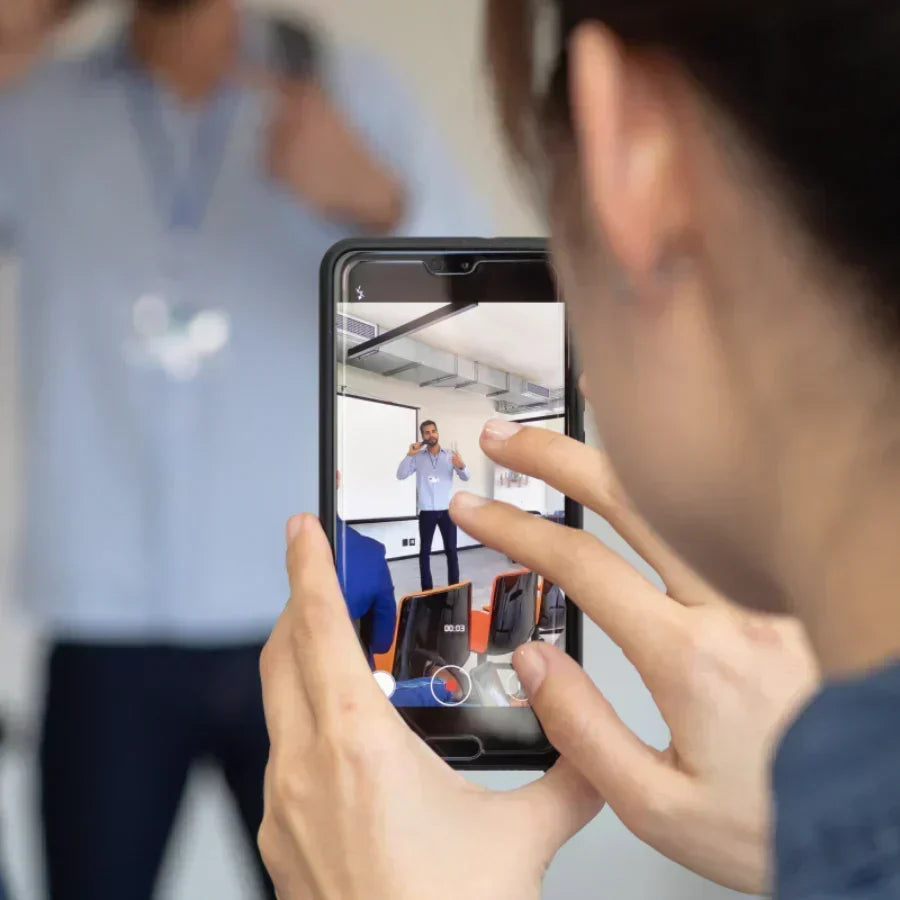

If you are one of the people in the conversation, no. Canada runs on a one-party consent rule, and section 184(2)(a) of the Criminal Code lets any participant record a private communication without telling the others. That applies to a phone call, a video meeting, or two people talking across a table.
The rule flips the moment you are not in the conversation. Recording people you are not talking to is an offence under section 184(1), and it carries up to five years in prison.
That is the criminal baseline, and it is the same in every province. What changes from province to province is the civil and privacy law sitting on top of it, plus a separate set of rules once the recording is used at work or shared with anyone else. Those layers are where most people get caught out.
What one-party consent covers
One-party consent means your own participation is the consent the law needs. You do not have to announce anything, and you do not need the other person to agree.
The federal wording matters here. Section 183 defines a private communication, and a phone call counts as one. Section 184(2)(a) then carves out participants. So a sales call you are on, a family conversation you are part of, a client meeting you attend: all recordable under the Criminal Code without notice.
Two limits are worth holding on to:
- You must be a party to the conversation. Leaving a device running in an empty room to catch other people talking is interception under section 184(1).
- Possessing a device built for covert interception is a separate offence under section 191, with up to two years.
The Supreme Court has also drawn the line around expectation of privacy rather than location. In R. v. Jarvis (2019 SCC 10) the Court held that people can reasonably expect privacy even in a public or semi-public place, which is why "we were in a mall, so anything goes" is not a safe read.
Audio, video and photos are not the same question
Audio of a conversation you are in is the clearest case. The participant exception in section 184(2)(a) is written for private communications, and that is what a spoken conversation is.
Video is a different analysis, and it is stricter. Recording images of a person can engage the voyeurism offence in section 162 where there is a reasonable expectation of privacy, and it can engage provincial privacy law even when no audio is captured. Filming someone in a washroom, a change room, or a bedroom is not covered by one-party consent in any province.
Photos sit closer to video than to audio. If you are documenting a meeting you are in, you are on solid ground. If you are photographing a person who would reasonably expect not to be photographed, the participant exception does not help you.
Where Ontario, Quebec and BC diverge
The Criminal Code is federal, so the one-party consent rule is identical coast to coast. The difference is what a person can sue you for afterwards, and what an organisation is required to do.
Ontario has no separate recording statute. Individuals rely on the federal rule, and the civil exposure comes from the common-law tort of intrusion upon seclusion rather than a privacy act. Businesses recording calls fall under federal PIPEDA, which is why customer service lines announce that calls may be recorded. Ontario employers also have electronic monitoring policy obligations under the Employment Standards Act, 2000.
Quebec is the most restrictive. Articles 35 and 36 of the Civil Code of Québec protect against invasion of privacy directly, and article 2858 gives courts a stricter test for admitting evidence that was obtained in breach of fundamental rights. For organisations, the provincial private sector act (CQLR c P-39.1), overhauled by Law 25 with most changes in force since September 2023, displaces PIPEDA and adds privacy impact assessments and stronger consent requirements. Your individual right to record a conversation you are in survives all of this. What narrows is everything you do with the recording afterwards.
British Columbia has both a provincial PIPA that displaces PIPEDA for BC commercial activity, and a statutory privacy tort under the Privacy Act. That tort is the part people miss. A recording can be perfectly lawful under section 184(2)(a) and still be a wilful violation of privacy under the BC Privacy Act if the other person reasonably expected not to be recorded in that way. Saskatchewan, Manitoba, and Newfoundland and Labrador have similar statutory torts.
Everywhere else, including Alberta, the federal rule applies and Alberta adds a PIPA for organisations without a Privacy Act tort. If you are recording your own conversations as an individual, the criminal answer is the same in every province.
Recording at work is a separate question
Being legally allowed to record does not mean you are allowed to record under your employment contract.
The Criminal Code question and the employment question are decided by different bodies. Canadian arbitrators and courts have upheld dismissals where an employee recorded colleagues covertly, on the basis that it broke the trust the job depended on, even where no criminal offence occurred. A lawful recording can also be excluded from evidence depending on how it was obtained.
If you are recording work conversations, the safer path is a stated purpose and a visible practice. Tell people at the start of the meeting, keep the recording for the reason you gave, and do not circulate it beyond the people who need it.
Organisations have a harder line to walk. Recording customers or staff is a collection of personal information, so PIPEDA applies in most provinces, PIPA in BC and Alberta, and P-39.1 in Quebec. That means a lawful purpose, notice, and retention limits, not just a one-party consent argument.
Lawful to record is not the same as free to share
This is the distinction that causes the most trouble, and it is worth stating plainly.
Section 193 of the Criminal Code makes it an offence to disclose a private communication, or its content, without the consent of a party to it. So the recording you were entitled to make can become a problem the moment you forward it, post it, or play it for someone who was not there.
Before you send a recording anywhere, three questions cover most situations:
- Was I a participant in this conversation?
- Do I have a reason to share it that the other person would recognise as fair?
- Am I sending it only to people who need it?
If the answer to any of those is uncomfortable, keep the file where it is.
Can a recording be used as evidence?
Often, but admissibility is a separate hurdle from legality.
A recording you made as a participant is generally admissible in Canadian civil and family proceedings, and courts weigh it like any other evidence. Quebec applies the stricter article 2858 test. In criminal matters, section 24(2) of the Charter can exclude evidence where admitting it would bring the administration of justice into disrepute.
Practically, authenticity is what decides whether a recording helps you. Courts want to know it is complete and unedited. Keep the original file rather than a trimmed export, note when and where it was made, and be able to explain the device and the circumstances.
How to tell someone you are recording
Notice is not required by the Criminal Code when you are a participant, but it removes almost every risk discussed above. It settles the employment question, it strengthens a fairness argument if you later need to share the recording, and it makes authenticity easier to establish.
A short line at the start of the conversation is enough:
"I am recording this so I have accurate notes. Let me know if you would rather I did not."
Then keep the practice consistent. Record for a stated reason, hold the file only as long as you need it, and share it only with people who were on the call or who need it for that reason.
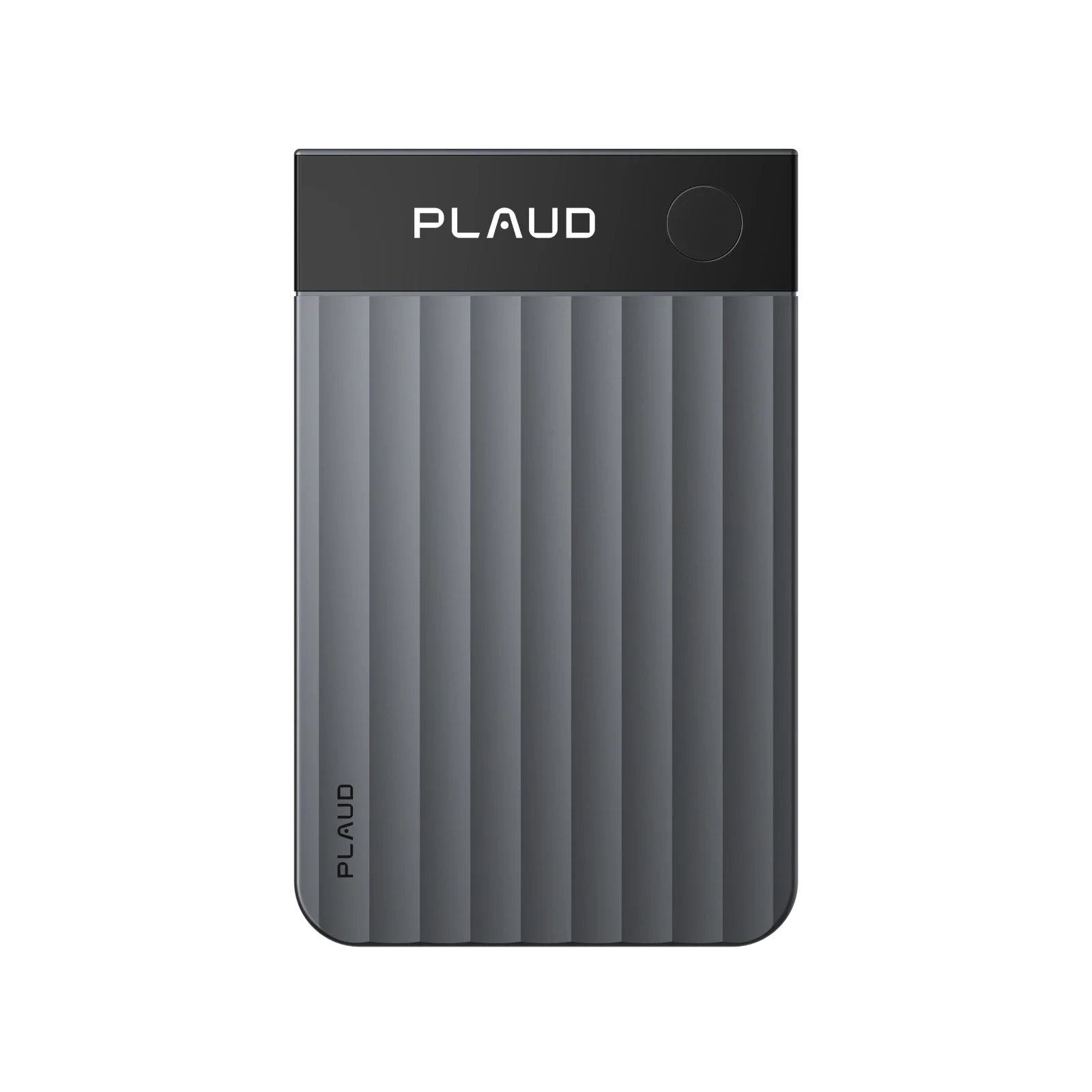
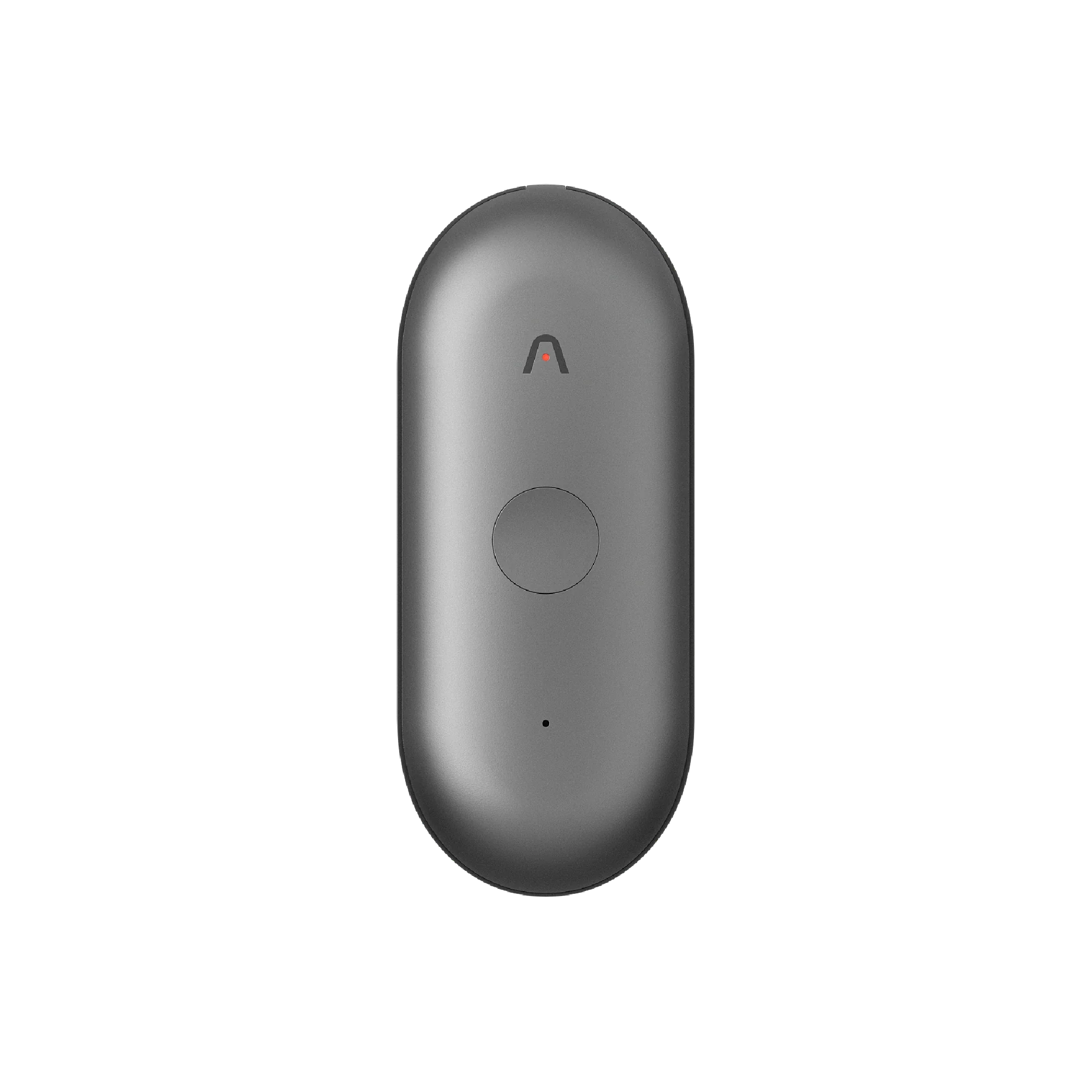
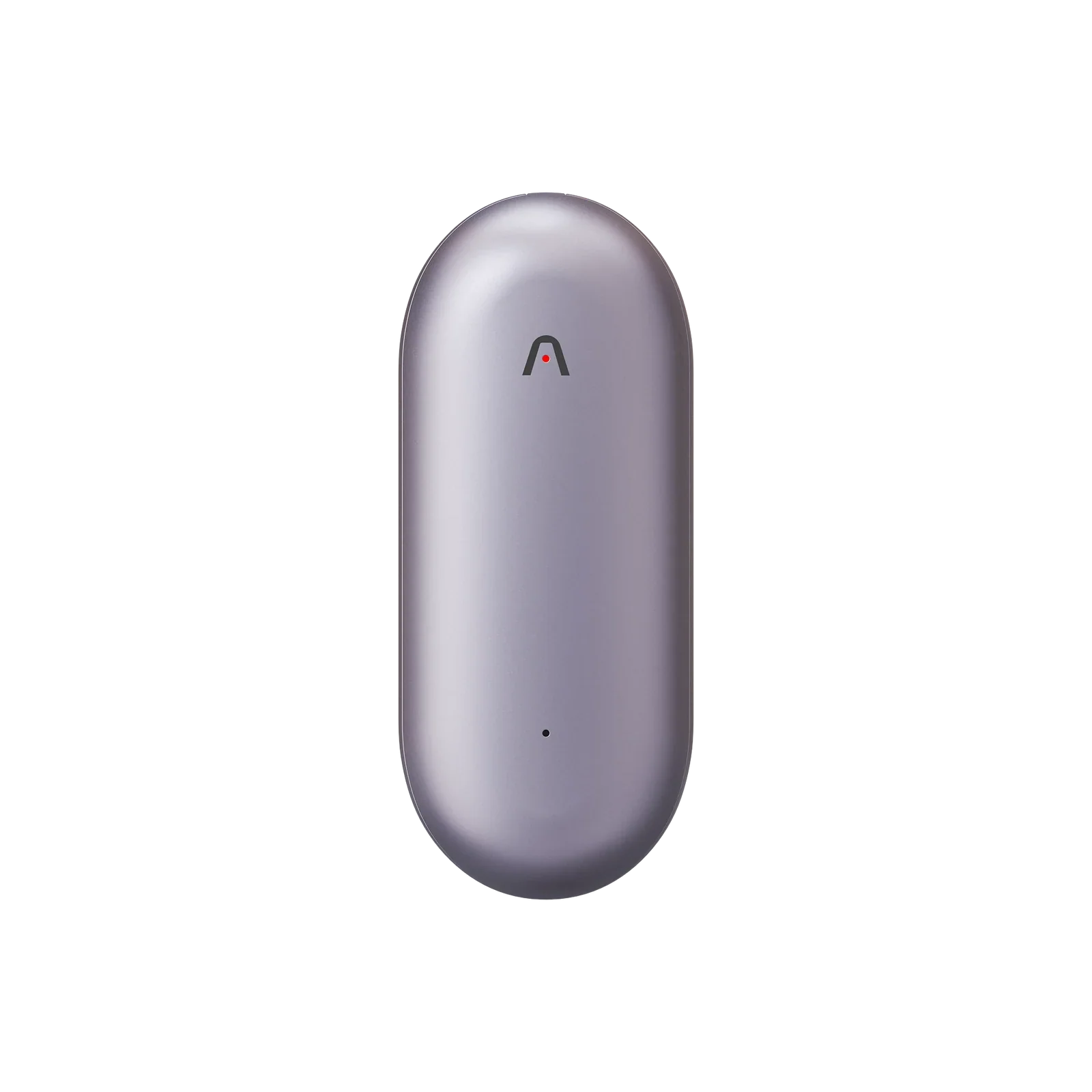
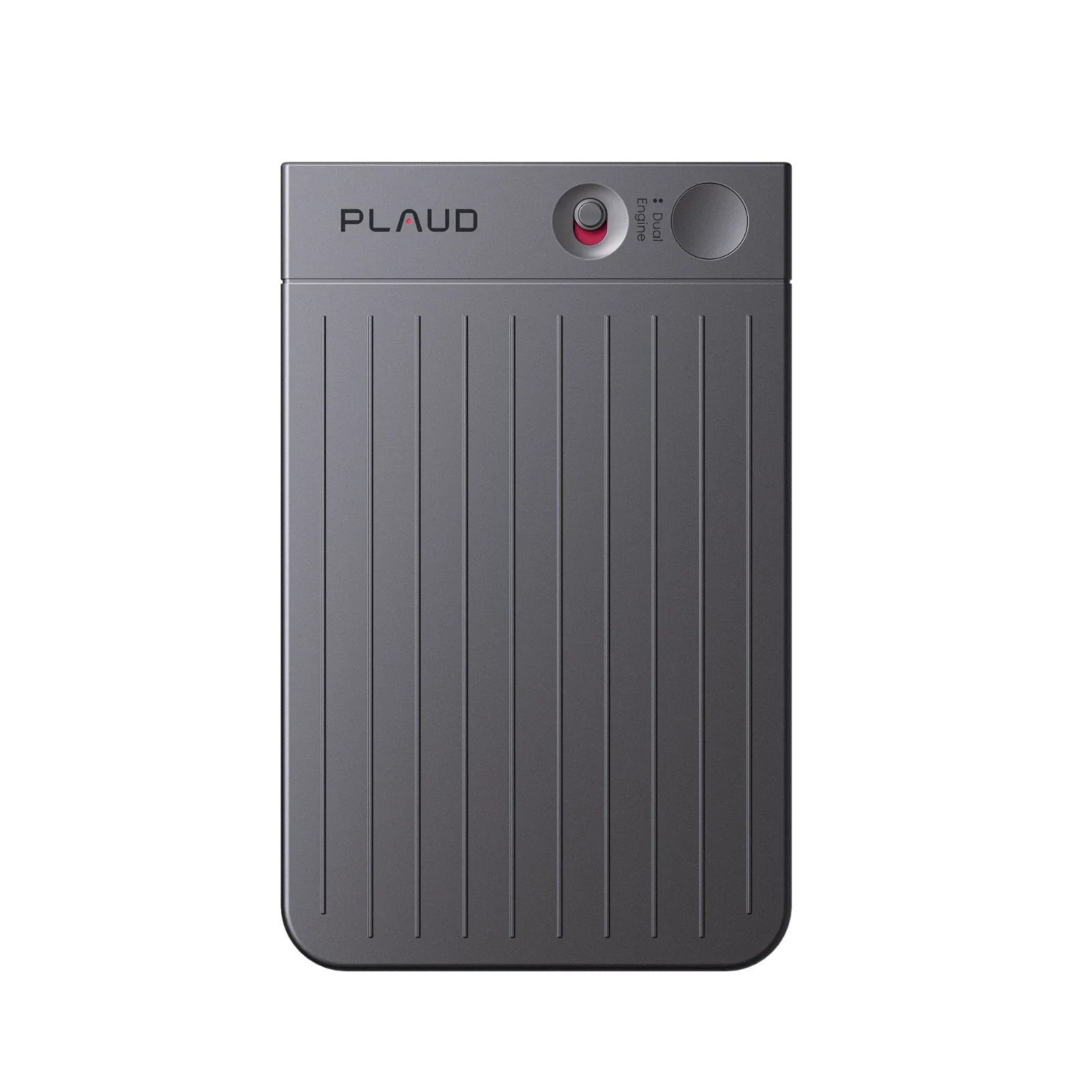
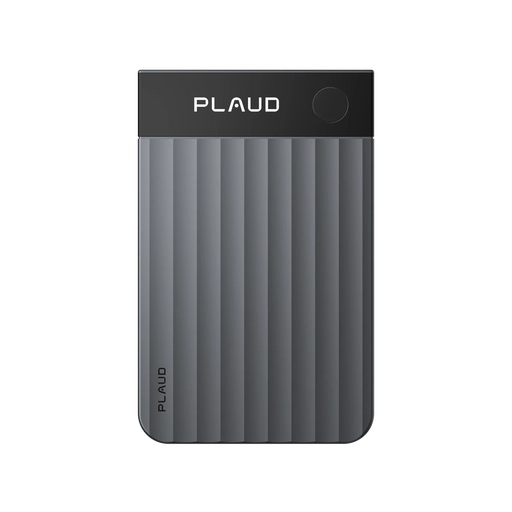
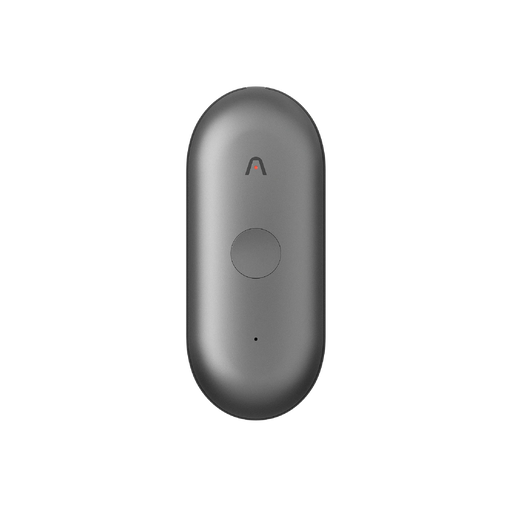
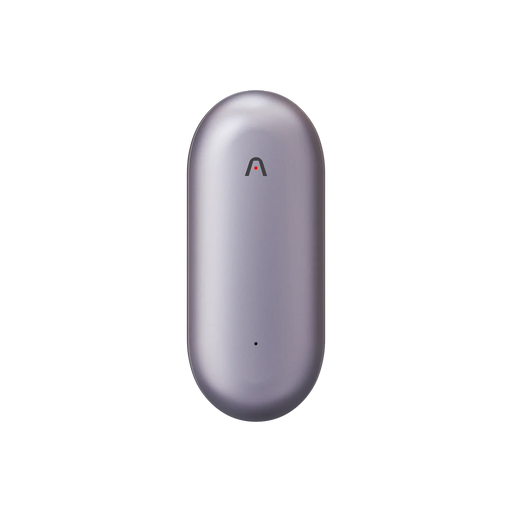
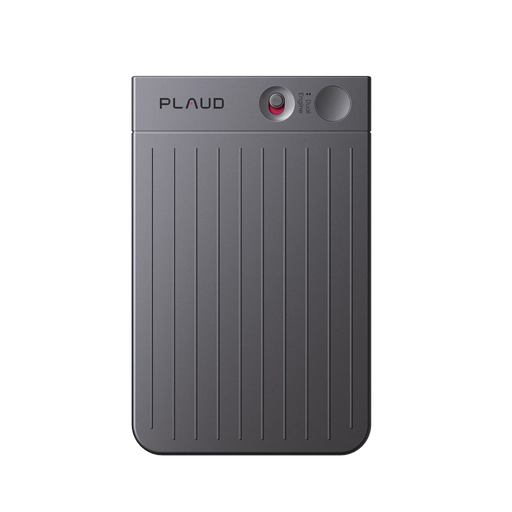
For in-person conversations this is also where the tooling matters. Most meeting tools can only hear what happens on a call, so a room conversation falls outside them. Plaud Note Pro is a physical AI note taker built for that case: it picks up clearly at up to 5 meters (16.4 feet) using 4 MEMS microphones with AI beamforming, switches automatically between calls and in-person conversations, and records up to 50 hours in Endurance mode. Plaud Intelligence then produces transcripts and summaries in 112 languages with speaker labels, so you can point to who said what instead of relying on memory. Recordings are protected in transit with TLS encryption and encrypted at rest with AWS server-side encryption, and your data is never used for AI training unless you explicitly opt in.
Say it out loud, then record
The Canadian rule is simple at the criminal level and complicated everywhere else. You may record a conversation you are in. You may not record one you are outside of, you may not share it freely afterwards, and your employer and your province can each add rules the Criminal Code does not.
Saying one sentence at the start of the conversation resolves most of that at once. Then record for a reason you would be comfortable stating, and keep the file only as long as that reason lasts.