Skip to content
The world's No.1 AI note-taking brand.
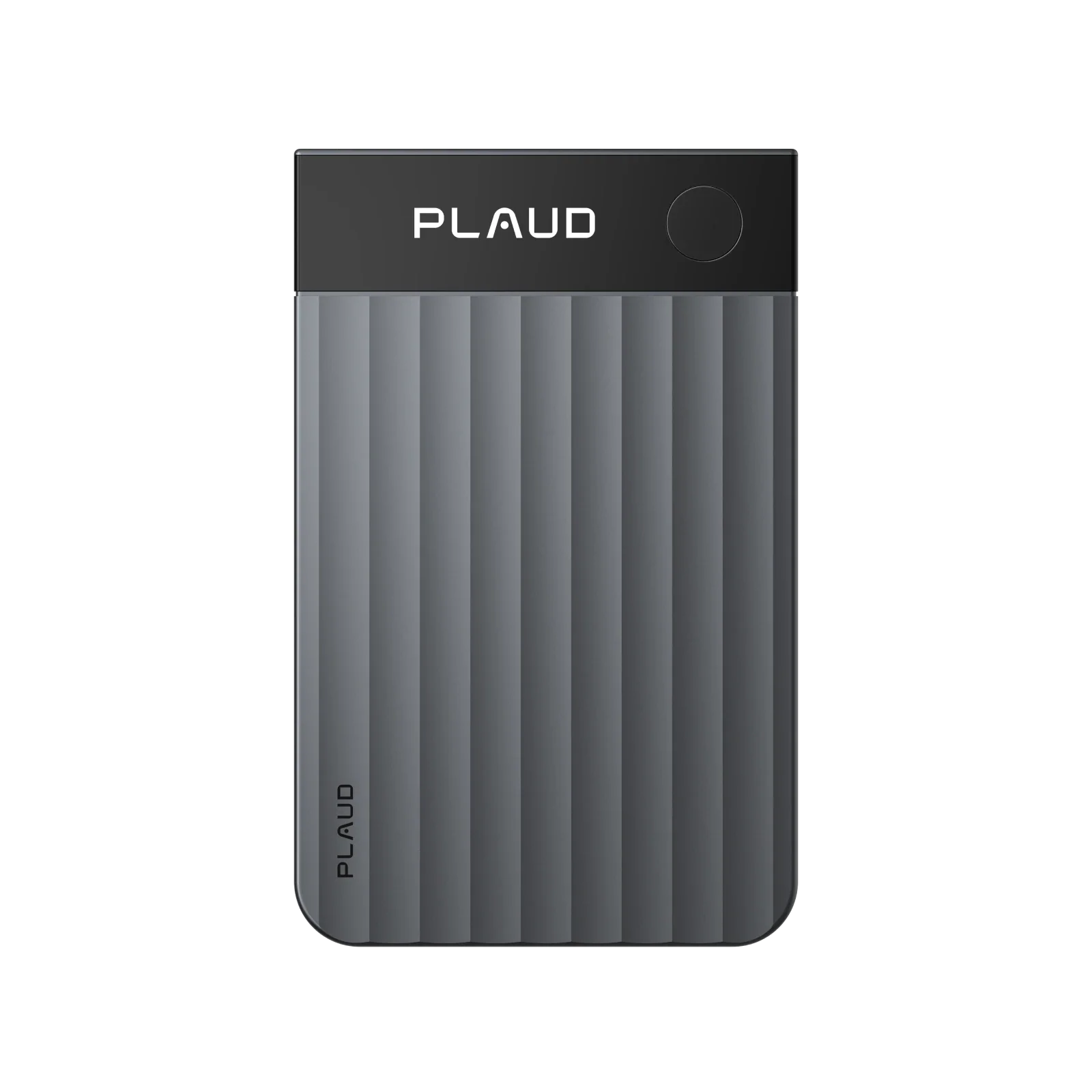
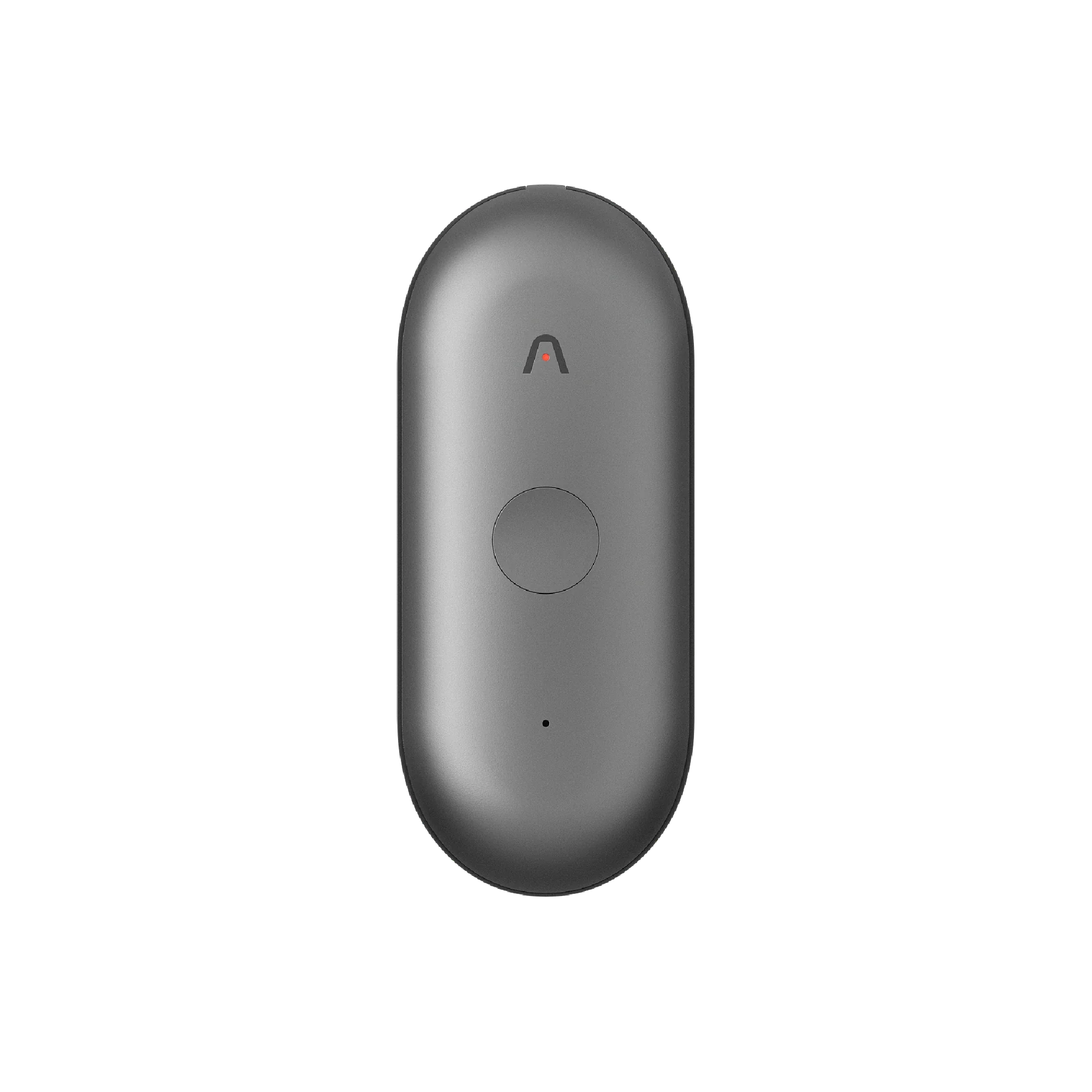
The UI shows team meeting recordings and an AI chat query, alongside a dark gray Plaud Note Pro and a white Plaud NotePin S.

Plaud Team: where conversations become shared team intelligence

Most of what actually moves a business forward barely gets written down. It happens in a solo sales call, a client handoff to another teammate, or an undocumented patient visit. What's left is usually a partial, filtered or misremembered summary in one person's head or notes.

Plaud Team closes that gap. And increasingly, it's becoming the way teams make sure that knowledge doesn't stay locked inside a single person's account.

Three professionals collaborate with Plaud NotePin S devices, Plaud App interfaces displaying workspaces and meeting summarie

What is Plaud Team

Plaud Team is Plaud's workspace for organizations. It layers centralized billing, user provisioning, and device management on top of the AI note-taking and conversation intelligence individuals already know, all built on Plaud's existing security and compliance foundation. It was made for the moment when a tool that individuals love needs to become something an organization can actually govern, whether that's a sales team, a consulting firm, or a healthcare practice.

The benefits your team gains from sharing conversations

Centralizing billing and admin access solves a logistical problem. The bigger shift is what happens next: conversations stop being something only one person remembers, and start becoming something the whole team can draw on.

Here's what that looks like in practice.

• Faster, better-informed decisions.

When a discovery call, a client interview, or a stakeholder check-in gets captured and transcribed, that context becomes something the whole team can build on. Nobody has to re-explain it in the next meeting. Fewer decisions get made on partial information, because nobody has to rely on remembering exactly what a client said three weeks ago.

• Alignment without attendance.

No team is fully in the room for every conversation that matters. A rep out sick, a manager who couldn't join a client call, a new hire who joined after a key decision was made. They can all catch up on what was actually said and decided, not a secondhand summary of it.

• Consistency across a growing team.

As teams scale, the way each person takes notes, follows up, and documents decisions tends to drift. A shared workspace built around captured conversations gives everyone a common source of truth. Sales teams use it to standardize follow-up. Healthcare practices use it for consistent documentation. Consulting firms use it to preserve institutional knowledge as people move between engagements.

• Lower onboarding cost for new hires.

New team members have historically learned "how we do things here" by shadowing someone for weeks. With a shared library of past conversations, calls, and decisions, they can get up to speed against real examples instead of a training deck.

• Reduced key-person risk.

A client relationship, a set of case notes, a project's history. When any of it lives only in one person's head, or in their personal note-taking app, the business is exposed if that person becomes unavailable or leaves. Centralizing conversation history under the organization protects institutional knowledge as a company asset, not an individual one. Admins can manage access when someone exits, so nothing walks out the door with them.

• Compliance and quality consistency at scale.

Regulated industries like healthcare, financial services, and legal need a structured, centrally governed record of client- and patient-facing conversations. That makes it easier to maintain documentation standards and support audit and quality review, instead of relying on individual habits.

Built for how teams already work

None of this requires a team to change how they work. Plaud Team sits on top of the conversations people are already having, whether that's sales calls, client meetings, patient visits, or 1:1s, and turns them into a resource the whole team can draw on. The admin layer makes it something a company can deploy responsibly at scale. The collaboration layer makes it something a team can use every day.

Who Plaud Team is built for

  • Sales and customer-facing teams that need consistent, searchable records of every conversation across reps.
  • Consulting, legal, and professional services firms where case knowledge needs to outlast any single engagement or team member.
  • Healthcare and other patient-facing practices that need accurate documentation without breaking the flow of care.
  • Any team replacing a patchwork of individual note-taking habits with one governed, secure workspace.

In practice, that's any team where a conversation, not a document, is where the real work happens.

Get started with Plaud Team

Buy devices for your team, with bulk discounts available, then create your Team workspace on web.plaud.ai and invite your team from the admin dashboard. Organizations with more than 50 users can reach out to Plaud's sales team directly.

Featured Posts

The TIME Best Inventions 2026 award badge on a red ribbon.

Plaud NotePin S Named One of TIME’s Best Inventions of 2026

Plaud NotePin S has been named one of TIME’s Best Inventions of 2026 in the Consumer Electronics category. Discover how this wearable AI note taker helps people capture conversations, turn them into actionable insights, and stay present in the moments that matter. → EN × Translate to: 🇬🇧 English English 🇷🇺 Russian Русский 🇩🇪 German Deutsch 🇫🇷 French Français 🇪🇸 Spanish Español 🇮🇹 Italian Italiano 🇵🇹 Portuguese Português 🇳🇱 Dutch Nederlands 🇵🇱 Polish Polski 🇺🇦 Ukrainian Українська 🇨🇳 Chinese 中文 🇯🇵 Japanese 日本語 🇰🇷 Korean 한국어 🇭🇰 Cantonese 粵語 🇮🇳 Hindi हिन्दी 🇧🇩 Bangla বাংলা 🇮🇳 Tamil தமிழ் 🇮🇳 Telugu తెలుగు 🇮🇳 Kannada ಕನ್ನಡ 🇮🇳 Malayalam മലയാളം 🇮🇳 Marathi मराठी 🇮🇳 Gujarati ગુજરાતી 🇮🇳 Punjabi ਪੰਜਾਬੀ 🇮🇳 Odia ଓଡ଼ିଆ 🇮🇳 Assamese অসমীয়া 🇵🇰 Urdu اردو 🇳🇵 Nepali नेपाली 🇱🇰 Sinhala සිංහල 🇻🇳 Vietnamese Tiếng Việt 🇹🇭 Thai ไทย 🇮🇩 Indonesian Bahasa Indonesia 🇲🇾 Malay Bahasa Melayu 🇵🇭 Filipino Filipino 🇰🇭 Khmer ខ្មែរ 🇱🇦 Lao ລາວ 🇲🇲 Burmese မြန်မာ 🇵🇭 Cebuano Cebuano 🇮🇩 Javanese Basa Jawa 🇮🇩 Sundanese Basa Sunda 🇸🇦 Arabic العربية 🇮🇱 Hebrew עברית 🇹🇷 Turkish Türkçe 🇮🇷 Persian فارسی 🇦🇫 Pashto پښتو 🇮🇶 Kurdish کوردی 🇫🇮 Finnish Suomi 🇸🇪 Swedish Svenska 🇳🇴 Norwegian Norsk 🇩🇰 Danish Dansk 🇮🇸 Icelandic Íslenska 🇨🇿 Czech Čeština 🇸🇰 Slovak Slovenčina 🇭🇺 Hungarian Magyar 🇷🇴 Romanian Română 🇬🇷 Greek Ελληνικά 🇧🇬 Bulgarian Български 🇭🇷 Croatian Hrvatski 🇷🇸 Serbian Српски 🇸🇮 Slovenian Slovenščina 🇲🇰 Macedonian Македонски 🇦🇱 Albanian Shqip 🇧🇦 Bosnian Bosanski 🇲🇪 Me Crnogorski 🇱🇹 Lithuanian Lietuvių 🇱🇻 Latvian Latviešu 🇪🇪 Estonian Eesti 🇬🇪 Georgian ქართული 🇦🇲 Armenian Հայերեն 🇦🇿 Azerbaijani Azərbaycan 🇰🇿 Kazakh Қазақ 🇺🇿 Uzbek Oʻzbek 🇰🇬 Kyrgyz Кыргыз 🇹🇯 Tajik Тоҷикӣ 🇹🇲 Turkmen Türkmen 🇲🇳 Mongolian Монгол 🇧🇾 Belarusian Беларуская 🇰🇪 Swahili Kiswahili 🇿🇦 Afrikaans Afrikaans 🇪🇹 Amharic አማርኛ 🇳🇬 Hausa Hausa 🇳🇬 Yoruba Yorùbá 🇳🇬 Igbo Igbo 🇿🇦 Zulu isiZulu 🇿🇦 Xhosa isiXhosa 🇸🇴 Somali Soomaali 🇲🇬 Malagasy Malagasy 🇷🇼 Kinyarwanda Kinyarwanda 🇲🇼 Nyanja Chichewa 🇿🇼 Shona chiShona 🇪🇸 Catalan Català 🇪🇸 Basque Euskara 🇪🇸 Galician Galego 🇲🇹 Maltese Malti 🏴󠁧󠁢󠁷󠁬󠁳󠁿 Welsh Cymraeg 🇮🇪 Irish Gaeilge 🏴󠁧󠁢󠁳󠁣󠁴󠁿 Scottish Gaelic Gàidhlig 🇱🇺 Luxembourgish Lëtzebuergesch 🇫🇷 Corsican Corsu 🇳🇱 Western Frisian Frysk 🇳🇿 Māori Te Reo Māori 🇺🇸 Hawaiian ʻŌlelo Hawaiʻi 🇼🇸 Samoan Gagana Samoa 🌍 Esperanto Esperanto 🏛️ Latin Latina 🌏 Hmong Hmoob 🇭🇹 Haitian Creole Kreyòl Ayisyen Hide until next visit Hide on this site Hide on all sites Cancel Apply Re-enable in Settings × Translate to: 🇬🇧 English English 🇷🇺 Russian Русский 🇩🇪 German Deutsch 🇫🇷 French Français 🇪🇸 Spanish Español 🇮🇹 Italian Italiano 🇵🇹 Portuguese Português 🇳🇱 Dutch Nederlands 🇵🇱 Polish Polski 🇺🇦 Ukrainian Українська 🇨🇳 Chinese 中文 🇯🇵 Japanese 日本語 🇰🇷 Korean 한국어 🇭🇰 Cantonese 粵語 🇮🇳 Hindi हिन्दी 🇧🇩 Bangla বাংলা 🇮🇳 Tamil தமிழ் 🇮🇳 Telugu తెలుగు 🇮🇳 Kannada ಕನ್ನಡ 🇮🇳 Malayalam മലയാളം 🇮🇳 Marathi मराठी 🇮🇳 Gujarati ગુજરાતી 🇮🇳 Punjabi ਪੰਜਾਬੀ 🇮🇳 Odia ଓଡ଼ିଆ 🇮🇳 Assamese অসমীয়া 🇵🇰 Urdu اردو 🇳🇵 Nepali नेपाली 🇱🇰 Sinhala සිංහල 🇻🇳 Vietnamese Tiếng Việt 🇹🇭 Thai ไทย 🇮🇩 Indonesian Bahasa Indonesia 🇲🇾 Malay Bahasa Melayu 🇵🇭 Filipino Filipino 🇰🇭 Khmer ខ្មែរ 🇱🇦 Lao ລາວ 🇲🇲 Burmese မြန်မာ 🇵🇭 Cebuano Cebuano 🇮🇩 Javanese Basa Jawa 🇮🇩 Sundanese Basa Sunda 🇸🇦 Arabic العربية 🇮🇱 Hebrew עברית 🇹🇷 Turkish Türkçe 🇮🇷 Persian فارسی 🇦🇫 Pashto پښتو 🇮🇶 Kurdish کوردی 🇫🇮 Finnish Suomi 🇸🇪 Swedish Svenska 🇳🇴 Norwegian Norsk 🇩🇰 Danish Dansk 🇮🇸 Icelandic Íslenska 🇨🇿 Czech Čeština 🇸🇰 Slovak Slovenčina 🇭🇺 Hungarian Magyar 🇷🇴 Romanian Română 🇬🇷 Greek Ελληνικά 🇧🇬 Bulgarian Български 🇭🇷 Croatian Hrvatski 🇷🇸 Serbian Српски 🇸🇮 Slovenian Slovenščina 🇲🇰 Macedonian Македонски 🇦🇱 Albanian Shqip 🇧🇦 Bosnian Bosanski 🇲🇪 Me Crnogorski 🇱🇹 Lithuanian Lietuvių 🇱🇻 Latvian Latviešu 🇪🇪 Estonian Eesti 🇬🇪 Georgian ქართული 🇦🇲 Armenian Հայերեն 🇦🇿 Azerbaijani Azərbaycan 🇰🇿 Kazakh Қазақ 🇺🇿 Uzbek Oʻzbek 🇰🇬 Kyrgyz Кыргыз 🇹🇯 Tajik Тоҷикӣ 🇹🇲 Turkmen Türkmen 🇲🇳 Mongolian Монгол 🇧🇾 Belarusian Беларуская 🇰🇪 Swahili Kiswahili 🇿🇦 Afrikaans Afrikaans 🇪🇹 Amharic አማርኛ 🇳🇬 Hausa Hausa 🇳🇬 Yoruba Yorùbá 🇳🇬 Igbo Igbo 🇿🇦 Zulu isiZulu 🇿🇦 Xhosa isiXhosa 🇸🇴 Somali Soomaali 🇲🇬 Malagasy Malagasy 🇷🇼 Kinyarwanda Kinyarwanda 🇲🇼 Nyanja Chichewa 🇿🇼 Shona chiShona 🇪🇸 Catalan Català 🇪🇸 Basque Euskara 🇪🇸 Galician Galego 🇲🇹 Maltese Malti 🏴󠁧󠁢󠁷󠁬󠁳󠁿 Welsh Cymraeg 🇮🇪 Irish Gaeilge 🏴󠁧󠁢󠁳󠁣󠁴󠁿 Scottish Gaelic Gàidhlig 🇱🇺 Luxembourgish Lëtzebuergesch 🇫🇷 Corsican Corsu 🇳🇱 Western Frisian Frysk 🇳🇿 Māori Te Reo Māori 🇺🇸 Hawaiian ʻŌlelo Hawaiʻi 🇼🇸 Samoan Gagana Samoa 🌍 Esperanto Esperanto 🏛️ Latin Latina 🌏 Hmong Hmoob 🇭🇹 Haitian Creole Kreyòl Ayisyen Hide until next visit Hide on this site Hide on all sites Cancel Apply Re-enable in Settings

Read more
Plaud Intelligence interface displays a Go-to-Market Strategy slide with a progress chart showing 83% completion for strategy.

Meet the new Plaud Intelligence

Meet the new Plaud Intelligence: every feature that grew, every new addition, and what stayed the same. → EN × Translate to: 🇬🇧 English English 🇷🇺 Russian Русский 🇩🇪 German Deutsch 🇫🇷 French Français 🇪🇸 Spanish Español 🇮🇹 Italian Italiano 🇵🇹 Portuguese Português 🇳🇱 Dutch Nederlands 🇵🇱 Polish Polski 🇺🇦 Ukrainian Українська 🇨🇳 Chinese 中文 🇯🇵 Japanese 日本語 🇰🇷 Korean 한국어 🇭🇰 Cantonese 粵語 🇮🇳 Hindi हिन्दी 🇧🇩 Bangla বাংলা 🇮🇳 Tamil தமிழ் 🇮🇳 Telugu తెలుగు 🇮🇳 Kannada ಕನ್ನಡ 🇮🇳 Malayalam മലയാളം 🇮🇳 Marathi मराठी 🇮🇳 Gujarati ગુજરાતી 🇮🇳 Punjabi ਪੰਜਾਬੀ 🇮🇳 Odia ଓଡ଼ିଆ 🇮🇳 Assamese অসমীয়া 🇵🇰 Urdu اردو 🇳🇵 Nepali नेपाली 🇱🇰 Sinhala සිංහල 🇻🇳 Vietnamese Tiếng Việt 🇹🇭 Thai ไทย 🇮🇩 Indonesian Bahasa Indonesia 🇲🇾 Malay Bahasa Melayu 🇵🇭 Filipino Filipino 🇰🇭 Khmer ខ្មែរ 🇱🇦 Lao ລາວ 🇲🇲 Burmese မြန်မာ 🇵🇭 Cebuano Cebuano 🇮🇩 Javanese Basa Jawa 🇮🇩 Sundanese Basa Sunda 🇸🇦 Arabic العربية 🇮🇱 Hebrew עברית 🇹🇷 Turkish Türkçe 🇮🇷 Persian فارسی 🇦🇫 Pashto پښتو 🇮🇶 Kurdish کوردی 🇫🇮 Finnish Suomi 🇸🇪 Swedish Svenska 🇳🇴 Norwegian Norsk 🇩🇰 Danish Dansk 🇮🇸 Icelandic Íslenska 🇨🇿 Czech Čeština 🇸🇰 Slovak Slovenčina 🇭🇺 Hungarian Magyar 🇷🇴 Romanian Română 🇬🇷 Greek Ελληνικά 🇧🇬 Bulgarian Български 🇭🇷 Croatian Hrvatski 🇷🇸 Serbian Српски 🇸🇮 Slovenian Slovenščina 🇲🇰 Macedonian Македонски 🇦🇱 Albanian Shqip 🇧🇦 Bosnian Bosanski 🇲🇪 Me Crnogorski 🇱🇹 Lithuanian Lietuvių 🇱🇻 Latvian Latviešu 🇪🇪 Estonian Eesti 🇬🇪 Georgian ქართული 🇦🇲 Armenian Հայերեն 🇦🇿 Azerbaijani Azərbaycan 🇰🇿 Kazakh Қазақ 🇺🇿 Uzbek Oʻzbek 🇰🇬 Kyrgyz Кыргыз 🇹🇯 Tajik Тоҷикӣ 🇹🇲 Turkmen Türkmen 🇲🇳 Mongolian Монгол 🇧🇾 Belarusian Беларуская 🇰🇪 Swahili Kiswahili 🇿🇦 Afrikaans Afrikaans 🇪🇹 Amharic አማርኛ 🇳🇬 Hausa Hausa 🇳🇬 Yoruba Yorùbá 🇳🇬 Igbo Igbo 🇿🇦 Zulu isiZulu 🇿🇦 Xhosa isiXhosa 🇸🇴 Somali Soomaali 🇲🇬 Malagasy Malagasy 🇷🇼 Kinyarwanda Kinyarwanda 🇲🇼 Nyanja Chichewa 🇿🇼 Shona chiShona 🇪🇸 Catalan Català 🇪🇸 Basque Euskara 🇪🇸 Galician Galego 🇲🇹 Maltese Malti 🏴󠁧󠁢󠁷󠁬󠁳󠁿 Welsh Cymraeg 🇮🇪 Irish Gaeilge 🏴󠁧󠁢󠁳󠁣󠁴󠁿 Scottish Gaelic Gàidhlig 🇱🇺 Luxembourgish Lëtzebuergesch 🇫🇷 Corsican Corsu 🇳🇱 Western Frisian Frysk 🇳🇿 Māori Te Reo Māori 🇺🇸 Hawaiian ʻŌlelo Hawaiʻi 🇼🇸 Samoan Gagana Samoa 🌍 Esperanto Esperanto 🏛️ Latin Latina 🌏 Hmong Hmoob 🇭🇹 Haitian Creole Kreyòl Ayisyen Hide until next visit Hide on this site Hide on all sites Cancel Apply Re-enable in Settings × Translate to: 🇬🇧 English English 🇷🇺 Russian Русский 🇩🇪 German Deutsch 🇫🇷 French Français 🇪🇸 Spanish Español 🇮🇹 Italian Italiano 🇵🇹 Portuguese Português 🇳🇱 Dutch Nederlands 🇵🇱 Polish Polski 🇺🇦 Ukrainian Українська 🇨🇳 Chinese 中文 🇯🇵 Japanese 日本語 🇰🇷 Korean 한국어 🇭🇰 Cantonese 粵語 🇮🇳 Hindi हिन्दी 🇧🇩 Bangla বাংলা 🇮🇳 Tamil தமிழ் 🇮🇳 Telugu తెలుగు 🇮🇳 Kannada ಕನ್ನಡ 🇮🇳 Malayalam മലയാളം 🇮🇳 Marathi मराठी 🇮🇳 Gujarati ગુજરાતી 🇮🇳 Punjabi ਪੰਜਾਬੀ 🇮🇳 Odia ଓଡ଼ିଆ 🇮🇳 Assamese অসমীয়া 🇵🇰 Urdu اردو 🇳🇵 Nepali नेपाली 🇱🇰 Sinhala සිංහල 🇻🇳 Vietnamese Tiếng Việt 🇹🇭 Thai ไทย 🇮🇩 Indonesian Bahasa Indonesia 🇲🇾 Malay Bahasa Melayu 🇵🇭 Filipino Filipino 🇰🇭 Khmer ខ្មែរ 🇱🇦 Lao ລາວ 🇲🇲 Burmese မြန်မာ 🇵🇭 Cebuano Cebuano 🇮🇩 Javanese Basa Jawa 🇮🇩 Sundanese Basa Sunda 🇸🇦 Arabic العربية 🇮🇱 Hebrew עברית 🇹🇷 Turkish Türkçe 🇮🇷 Persian فارسی 🇦🇫 Pashto پښتو 🇮🇶 Kurdish کوردی 🇫🇮 Finnish Suomi 🇸🇪 Swedish Svenska 🇳🇴 Norwegian Norsk 🇩🇰 Danish Dansk 🇮🇸 Icelandic Íslenska 🇨🇿 Czech Čeština 🇸🇰 Slovak Slovenčina 🇭🇺 Hungarian Magyar 🇷🇴 Romanian Română 🇬🇷 Greek Ελληνικά 🇧🇬 Bulgarian Български 🇭🇷 Croatian Hrvatski 🇷🇸 Serbian Српски 🇸🇮 Slovenian Slovenščina 🇲🇰 Macedonian Македонски 🇦🇱 Albanian Shqip 🇧🇦 Bosnian Bosanski 🇲🇪 Me Crnogorski 🇱🇹 Lithuanian Lietuvių 🇱🇻 Latvian Latviešu 🇪🇪 Estonian Eesti 🇬🇪 Georgian ქართული 🇦🇲 Armenian Հայերեն 🇦🇿 Azerbaijani Azərbaycan 🇰🇿 Kazakh Қазақ 🇺🇿 Uzbek Oʻzbek 🇰🇬 Kyrgyz Кыргыз 🇹🇯 Tajik Тоҷикӣ 🇹🇲 Turkmen Türkmen 🇲🇳 Mongolian Монгол 🇧🇾 Belarusian Беларуская 🇰🇪 Swahili Kiswahili 🇿🇦 Afrikaans Afrikaans 🇪🇹 Amharic አማርኛ 🇳🇬 Hausa Hausa 🇳🇬 Yoruba Yorùbá 🇳🇬 Igbo Igbo 🇿🇦 Zulu isiZulu 🇿🇦 Xhosa isiXhosa 🇸🇴 Somali Soomaali 🇲🇬 Malagasy Malagasy 🇷🇼 Kinyarwanda Kinyarwanda 🇲🇼 Nyanja Chichewa 🇿🇼 Shona chiShona 🇪🇸 Catalan Català 🇪🇸 Basque Euskara 🇪🇸 Galician Galego 🇲🇹 Maltese Malti 🏴󠁧󠁢󠁷󠁬󠁳󠁿 Welsh Cymraeg 🇮🇪 Irish Gaeilge 🏴󠁧󠁢󠁳󠁣󠁴󠁿 Scottish Gaelic Gàidhlig 🇱🇺 Luxembourgish Lëtzebuergesch 🇫🇷 Corsican Corsu 🇳🇱 Western Frisian Frysk 🇳🇿 Māori Te Reo Māori 🇺🇸 Hawaiian ʻŌlelo Hawaiʻi 🇼🇸 Samoan Gagana Samoa 🌍 Esperanto Esperanto 🏛️ Latin Latina 🌏 Hmong Hmoob 🇭🇹 Haitian Creole Kreyòl Ayisyen Hide until next visit Hide on this site Hide on all sites Cancel Apply Re-enable in Settings

Read more
A UI toggle switch displays options for Chat and Work, with the Work mode currently selected in green.

Ask Plaud is about to work in a whole new way

Meet Chat and Work: two new ways to use Ask Plaud. Chat answers your questions for free. Work executes tasks and delivers finished results.

Read more